
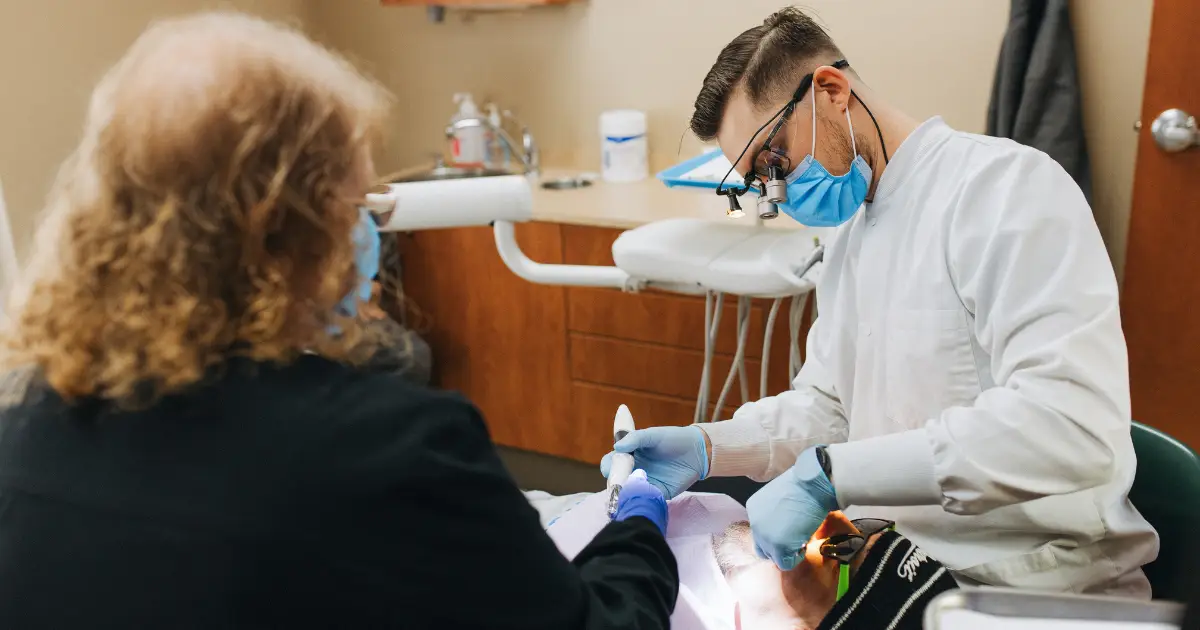
While it may feel routine, a dental cleaning is an important part of keeping your teeth and gums healthy, and there’s more to it than just polishing your teeth. Regular dental visits are the foundation of your oral health, helping you stay on top of the deeper structures that support your smile, including your teeth, gums, and bone health. Here’s a simple breakdown of what a typical visit to the dentist looks like.
Step 1: Exam
At the start of your visit, your dental hygienist will review your medical history with you. This is a great time to share any concerns you have about your oral health, discuss your family’s history of dental issues, and let your hygienist know about any allergies or medications that could affect your dental cleaning.
After reviewing your history, your dentist will perform a thorough exam of your teeth and gums, and x-rays will be ordered as needed to complete a comprehensive assessment. This typically includes checking for cavities, bone loss, impacted teeth, and assessing the overall condition of tooth roots and jaw bone structure. Your dentist will also look for signs of gum disease, fractures and wear patterns, and may have you complete a “bite check” to ensure your alignment is working well for the health and wellness of your smile.
During this step, your dentist will also evaluate for any signs of inflammation, infection, or other areas of concern, including tissue abnormalities that may be associated with certain health conditions. Dentists will typically perform an oral cancer screening during this time as an important part of your preventative care.
Step 2: Clean
During the dental cleaning portion of your visit, your dental hygienist will use specialized tools, including ultrasonic cleansing devices, to remove any plaque and tartar buildup from your teeth and along the gumline. Your dental hygienist will work their way across your top and bottom teeth, checking in with you regularly as they work to ensure you’re comfortable throughout the process and offering numbing agents as needed.
Your teeth will then be polished using a high-powered brush and professional toothpaste to help smooth the surface of your teeth and reduce surface stains. All these steps help ensure a cleaner surface and good dental hygiene to fight off plaque buildup moving forward.
Step 3: Floss, Rinse, Fluoride
After your teeth are cleaned and polished, your hygienist will floss between your teeth to remove any remaining debris, and a good rinse will be done to remove any remaining particles. Once flossed and rinsed, a fluoride treatment may be applied by your hygienist to help strengthen your enamel and protect your teeth against cavities between visits, all while maintaining your dental hygiene routine.
Although brushing and flossing at home twice a day is important, a professional dental cleaning reaches areas that are difficult to clean on your own. Even the most consistent at-home routine cannot fully replace the tools and techniques used in a dental office.
That said, using the right tools at home can help you get the most out of your daily routine between dental visits. Electric toothbrushes with rotating heads and water flossers can help improve your at-home routine by more closely mimicking professional cleanings. Ask your dentist about the best toothbrush for you and your dental health needs!
A regular dental cleaning and checkups at My Community Dental Centers are an important part of keeping your teeth healthy and strong. Our attentive team takes the time to understand your health history, your chief concerns with your mouth, your overall goals for your teeth, and provides care tailored to your smile. Combined with a consistent at-home routine, our preventive care helps support your long-term oral health.
Interested in scheduling your next appointment with one of our locations? Visit our locations page to find the closest MCDC location near you.
