
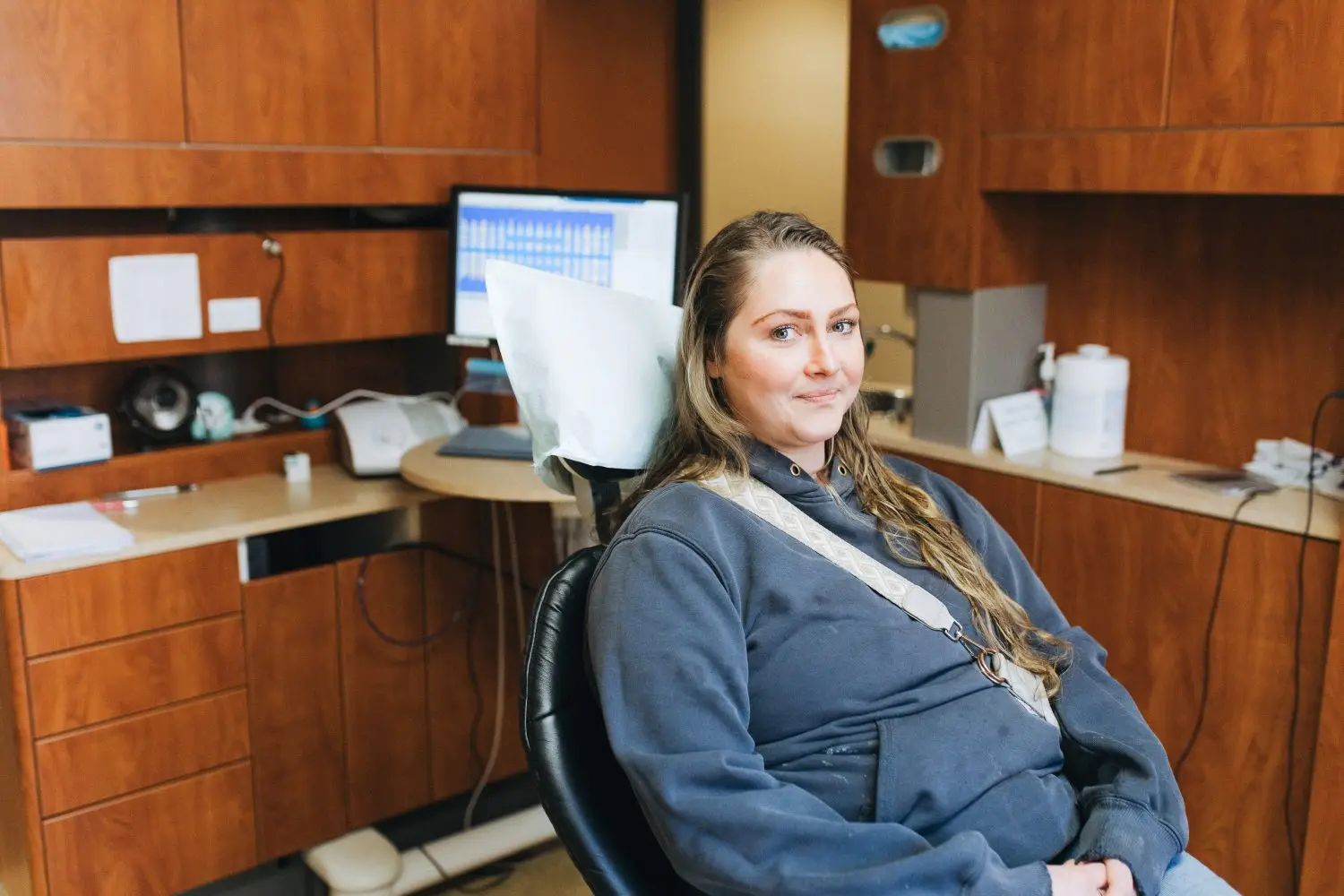
Women experience many changes throughout life, balancing careers, families, and roles in their communities. Alongside these experiences, the body moves through important biological stages such as puberty, pregnancy, and menopause. These transitional periods bring natural hormonal shifts that can affect overall oral health hygiene, including the health of your teeth and gums. Understanding these changes can help you take simple steps to protect your smile during every phase of life. Below are a few key life stages and what to know about caring for women’s health during each one.
Puberty: Changes That Affect Your Oral Health
During puberty, increased levels of estrogen and progesterone can make gums more sensitive and increase the risk of gum inflammation. Some teenagers may experience red, swollen, or tender gums; bleeding while brushing or flossing; swollen salivary glands; and occasional canker sores. Hormonal fluctuations during the menstrual cycle may also cause temporary gum sensitivity for some teens.
Most modern birth control methods contain hormone levels that are unlikely to cause significant gum problems. However, some medications, including certain oral contraceptives, may slightly increase the risk of dry socket, a painful complication that can occur after a tooth extraction. Always connect with your dentist about any medications you are taking so they can ensure your safety and wellness.
Pregnancy: Caring for Women’s Health and the Health of their Child
Pregnancy brings many changes to the body, including shifts in hormone levels that can affect oral health. Higher hormone levels may lead to pregnancy gingivitis, a mild form of gum disease that can cause:
- Red or swollen gums
- Tenderness
- Bleeding during brushing or flossing
Poor oral health, specifically periodontitis, is associated with pregnancy complications, including preterm birth and low birth weight. Pregnant women may also be at increased risk for cavities due to changes in eating habits and morning sickness. Cavity-causing bacteria can be passed from a mother’s mouth to baby’s mouth, and as shared in our “Your Child’s First Dental Appointment” blog, may increase the likelihood of early childhood cavities and the need for extensive dental care at a young age. For all these reasons, maintaining oral health hygiene during pregnancy is especially important. Always speak with your dentist to find the best oral health routine for your dental journey.
Menopause: How Hormonal Shifts Impact Oral Health
Menopause typically occurs between a woman’s early 40s and mid-50s and includes several stages: premenopause, perimenopause, and menopause. During this time, hormonal changes can affect both overall health and oral health. Some women may experience: dry mouth, increased tooth sensitivity, changes in taste, burning mouth syndrome, and reduced bone density in the jaw. Reduced saliva can increase the risk of cavities, while bone loss may contribute to tooth loss over time.
If you experience persistent dry mouth or other symptoms, speak with your dentist. They may recommend treatments such as prescription-strength fluoride toothpaste, over-the-counter saliva substitutes, or other preventive measures. Diet can also help manage symptoms. If you’re experiencing dry mouth, it may help to limit foods that are: very salty, spicy, sticky, sugary, dry, or difficult to chew. Although women’s wellness is often viewed negatively during menopause, it can also be a time to focus on learning what your body needs during this new stage of your life.
Healthy Habits for Every Stage of Life
No matter your age or life stage, the following oral health habits will help protect both your smile and your overall health:
- Regular Checkups: Visit your dentist every six months, or more often if recommended, especially during pregnancy or if you are experiencing hormonal changes.
- Daily Oral Health Hygiene: Brush twice a day for two minutes and floss daily to remove plaque and prevent gum disease.
- Healthy Diet: Eat foods rich in calcium and vitamin D to support strong teeth and healthy bones.
- Lifestyle Choices: Use a soft-bristled toothbrush to protect your gums, stay hydrated, and manage stress to help reduce inflammation in the body.
Women’s health is all about consistency. Sticking to regular check-ups and a strong at-home routine is the key to unlocking a healthy, happy smile at any age.
MCDC Supports Your Smile Through Every Stage
From your early years to later in life, maintaining good oral health hygiene is an important part of caring for your overall well-being.
At My Community Dental Centers, we’re here to support women’s health and the health of all of the communities we serve throughout Michigan. Our team is dedicated to walking alongside patients to maintain healthy smiles with compassionate, accessible care.
To learn more about protecting your oral health or to find a dentist near you, visit mydental.org.
